How to Hire an Event Photographer in Toronto
Disolo Art · Updated
Decide what the photos are for, shortlist by full galleries, ask about deliverables, rights and insurance, and get it in writing.
To hire an event photographer, decide what the photos are for, shortlist photographers whose full galleries show events like yours, ask about deliverables, usage rights and insurance, and get the answers into a written agreement. Then send a run of show and a shot list a week before, and give the photographer a contact, access and a meal on the day.
Below we go through each step, with the Toronto details most guides leave out. Our own work is on our event photographer in Toronto page.
Step 1: Decide what the photos are for
Write down where the pictures will go and when you need them:
- a press release or LinkedIn post the next morning;
- social stories during the event;
- sponsor and funder reports;
- your website and next year's marketing;
- speaker or performer promotion;
- an internal recap for the team.
That list tells you how many hours of coverage you need, how fast you need the first images and what usage rights to ask for. It also tells you what you can skip. Few events need every minute covered, so pay for the moments you'll use, such as arrivals, the keynote, awards, the performance and the room at its fullest.
Step 2: Shortlist by the right portfolio
Ask each candidate for one or two complete galleries from events like yours, not a best-of selection. A full gallery shows how someone handles a whole evening of dark rooms and mixed light, a stage and a crowd, the speech nobody looks good during and the group photo with forty people.
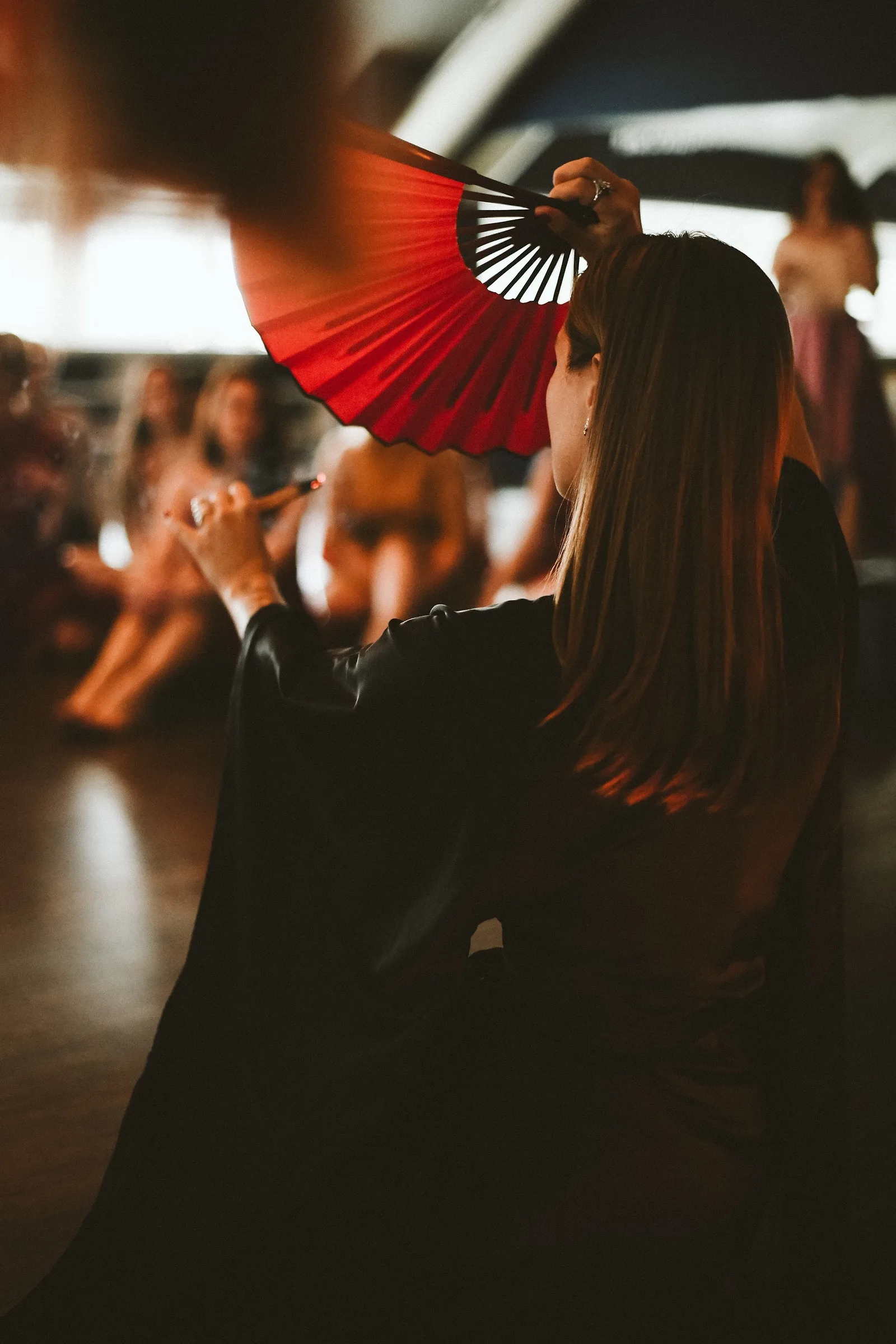
For performances, look for frames that hold the performer and the audience at once. In this one the performer is seen from behind in a black satin kimono, a red fan raised, with the seated audience softly in view. Getting both takes positioning and timing, and it's what makes a recap feel like you were in the room.
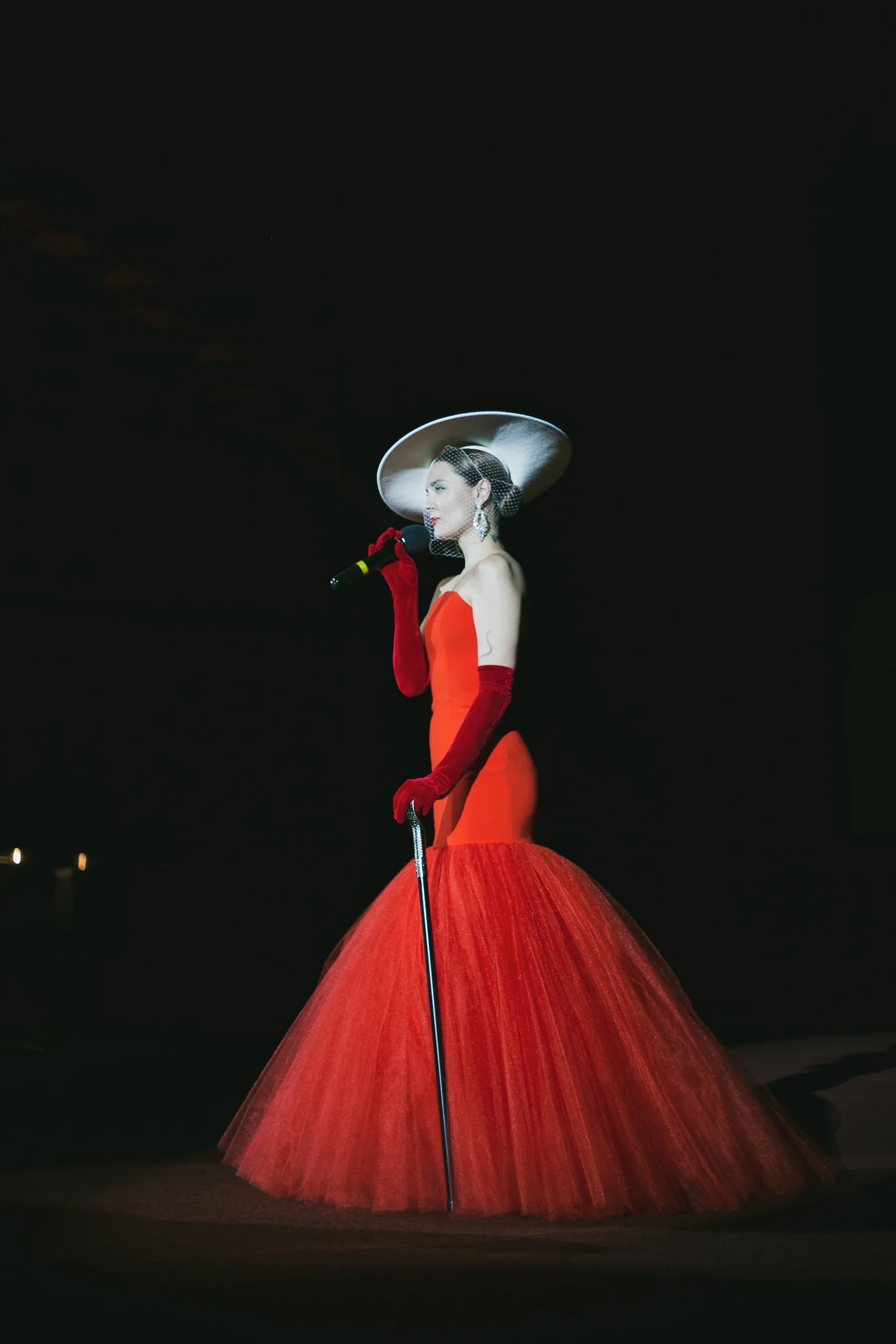
For stage work, check how the photographer deals with spotlights. The cover of this post is a single spotlight on a dark stage, with a red gown, a white hat and black everywhere else. Exposing for that light without losing the dress or the face is a skill you can see, or not see, in a portfolio.
Step 3: Questions to ask an event photographer
- Have you photographed an event like this one? Can I see a full gallery?
- How many edited photos should we expect per hour, and in what formats?
- When will we get them, and can you send a few selects the same night?
- Who owns the copyright, and what are we allowed to do with the photos? Can sponsors, speakers and performers use them too?
- Do you carry liability insurance, and can you provide a certificate naming our venue?
- What's your backup if a camera fails or you're sick?
- Do you use flash? Can you work silently during speeches or a performance?
- What do you need from us before and on the day?
- What are the deposit, cancellation and overtime terms?
Listen for detail in the answers. "About 50 edited photos an hour, web and print sizes, full gallery in a week, ten selects the same night" is an answer you can plan around.
Step 4: Deliverables and turnaround
Deliverables vary as much as prices. Among Toronto photographers who publish them, edited photos per hour run from about 30 to more than 100, and delivery times from 48 hours on a booking platform to one to three weeks at independent studios.
Agree on:
- the number of edited images, or a range;
- formats: full resolution for print, smaller files for web and social;
- how you'll receive them, and for how long the gallery stays online;
- same-day selects, if you need them, and their price;
- who identifies VIPs and sponsors in captions (usually you, with a list).
Step 5: Usage rights, in writing
In Canada the photographer owns the copyright in the photos unless your agreement says otherwise (Copyright Act, s. 13(1)). The old rule that gave commissioned photographs to the client was repealed in 2012. There is a personal-use exception: an individual who commissions and pays for photos for personal purposes may use them for private or non-commercial purposes, unless the agreement says otherwise (s. 32.2(1)(f)). It doesn't cover an organization using event photos for marketing.
So your agreement should say what you can do with the images: your website, social media, press, sponsor reports, paid advertising, and whether speakers, performers, sponsors and venues may use them with a credit. An assignment of copyright, or a licence that grants an interest in it, is valid only in writing (s. 13(4)). If you need to own the copyright outright, ask for an assignment and expect it to be priced.
People in the photos matter too. If you plan to use identifiable guests in advertising, get advice on releases, and tell attendees at registration that photography is happening. This is general information, not legal advice.
Step 6: Venue rules and insurance
Ask your venue whether outside vendors need a certificate of insurance naming the venue as additional insured. The City's own rules are a useful benchmark: commercial photography in City parks requires $2 million in third-party liability naming the City, and the Toronto Public Library asks for a $2 million certificate naming the City and the library board, with 21 days' notice for commercial shoots. Get the venue's vendor requirements as soon as it's booked and pass them to the photographer; the certificate comes from their insurer, so don't leave it to the last day.
Check the venue's photography rules too. Some limit tripods, lights or drones, and some sell separate photo permits. At the Distillery District, for example, events booked through Distillery Events don't need a separate photo permit, while other shoots do. Our guide to photography permits in Toronto lists the rules venue by venue.
For concerts and theatre, agree the photo rules with the artists' team in advance: when photography is allowed, whether flash is permitted and where the photographer can stand. For theatre, book production photos at the final dress rehearsal or a photo call, when the photographer can move through the house and shoot without disturbing an audience. On opening night, photograph only the audience, the lobby and the bows.
Ask your AV team for white front light on the lectern and at the awards. Deep red or blue LED washes flatten faces, and editing can't fully fix them.
Step 7: A timeline that works
Shot lists by type of event
A shot list names the photos that must exist after the event. Keep it to one page and put the must-haves first.
Corporate events and conferences
- Exterior, signage and registration.
- The room before guests arrive: staging, branding, sponsor logos, details.
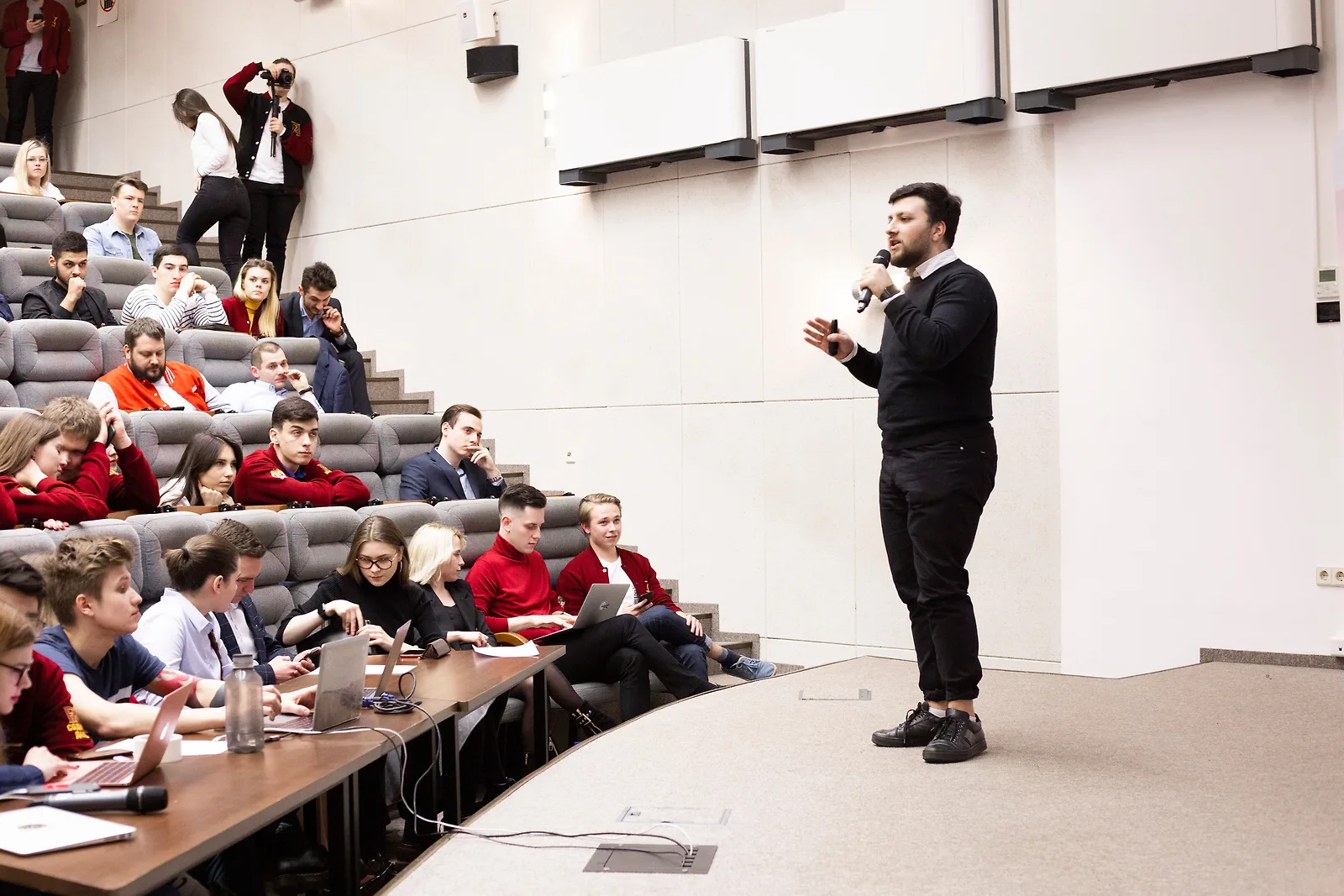
- Each speaker: one wide frame with the screen and one tight frame mid-gesture.
- Panels, Q&A and audience reactions.
- Networking candids.
- Awards and handovers, with names checked against your list.
- Group photos at a set time, five minutes each, at a spot chosen in advance with even light, room for everyone and a few steps for groups over 15.
- Organizers and volunteers.


Concerts, theatre and stage
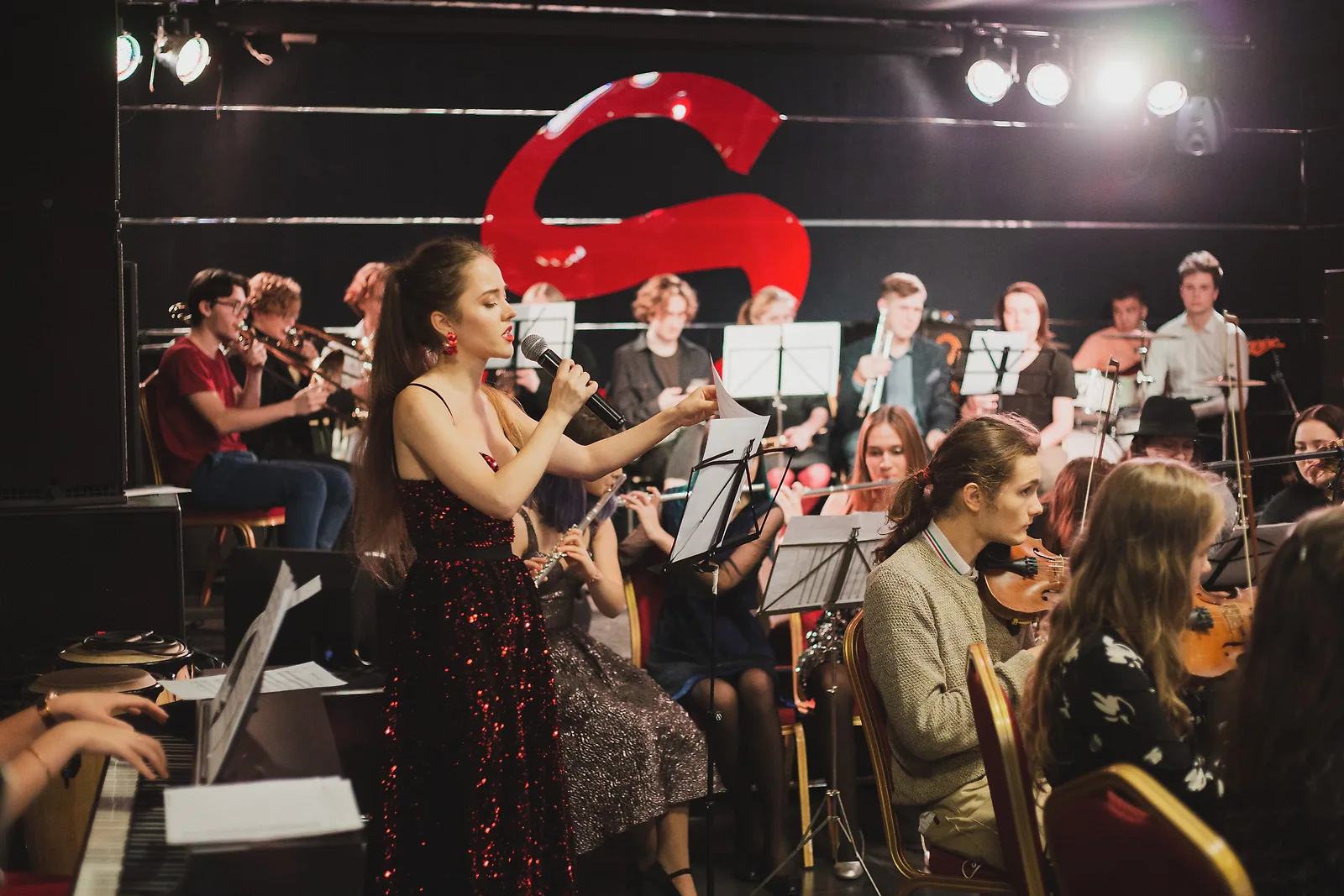
- A wide frame with the stage and the audience together.
- Each performer in their peak moments.
- Instruments, hands and details.
- Audience reactions.
- Curtain call or final bows.
- A cast or band photo, before or after the show.
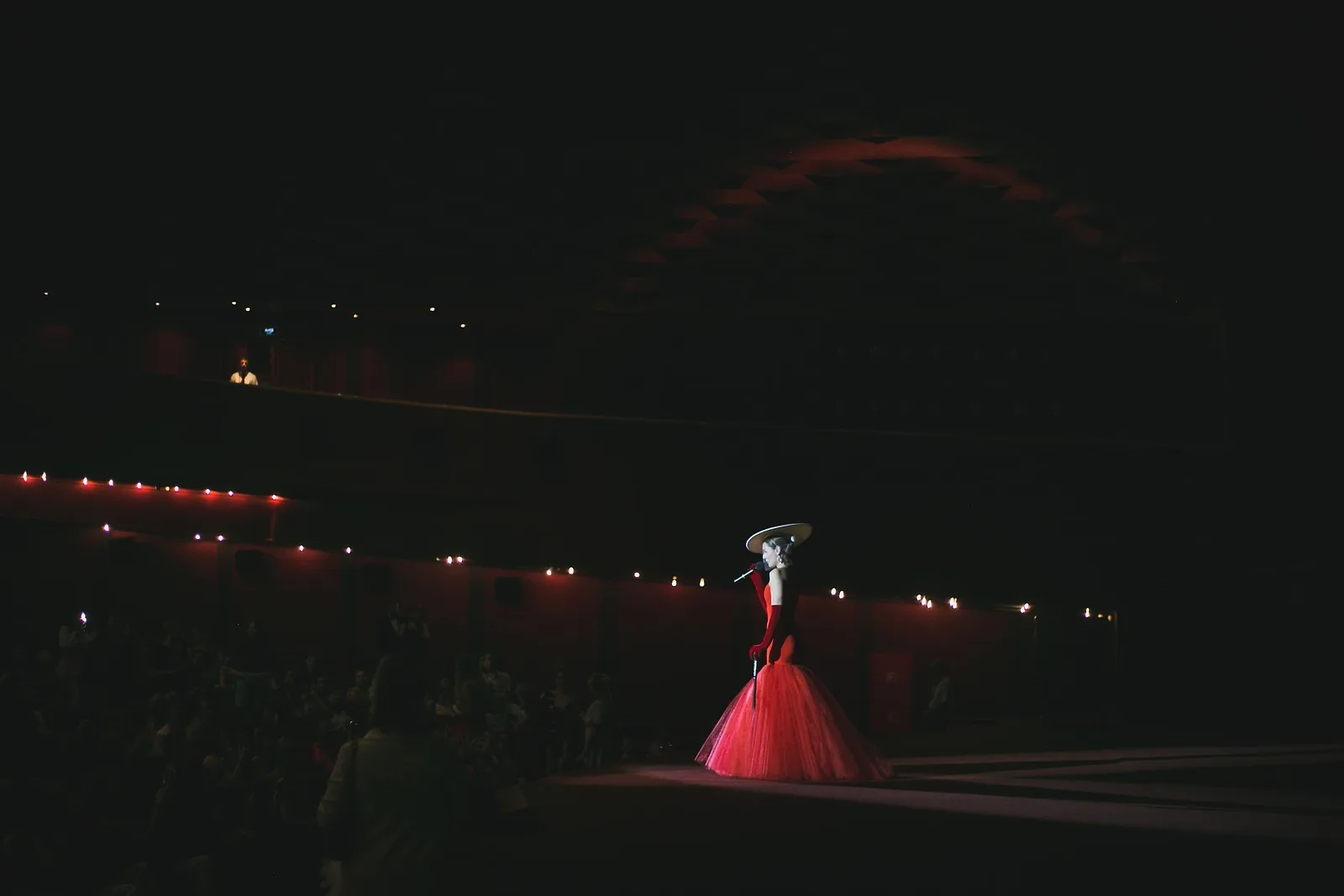
This is the wide frame from that list, exposed for the stage light so the singer keeps her colour and the audience falls into silhouette. The lights along the balcony show the size of the room.
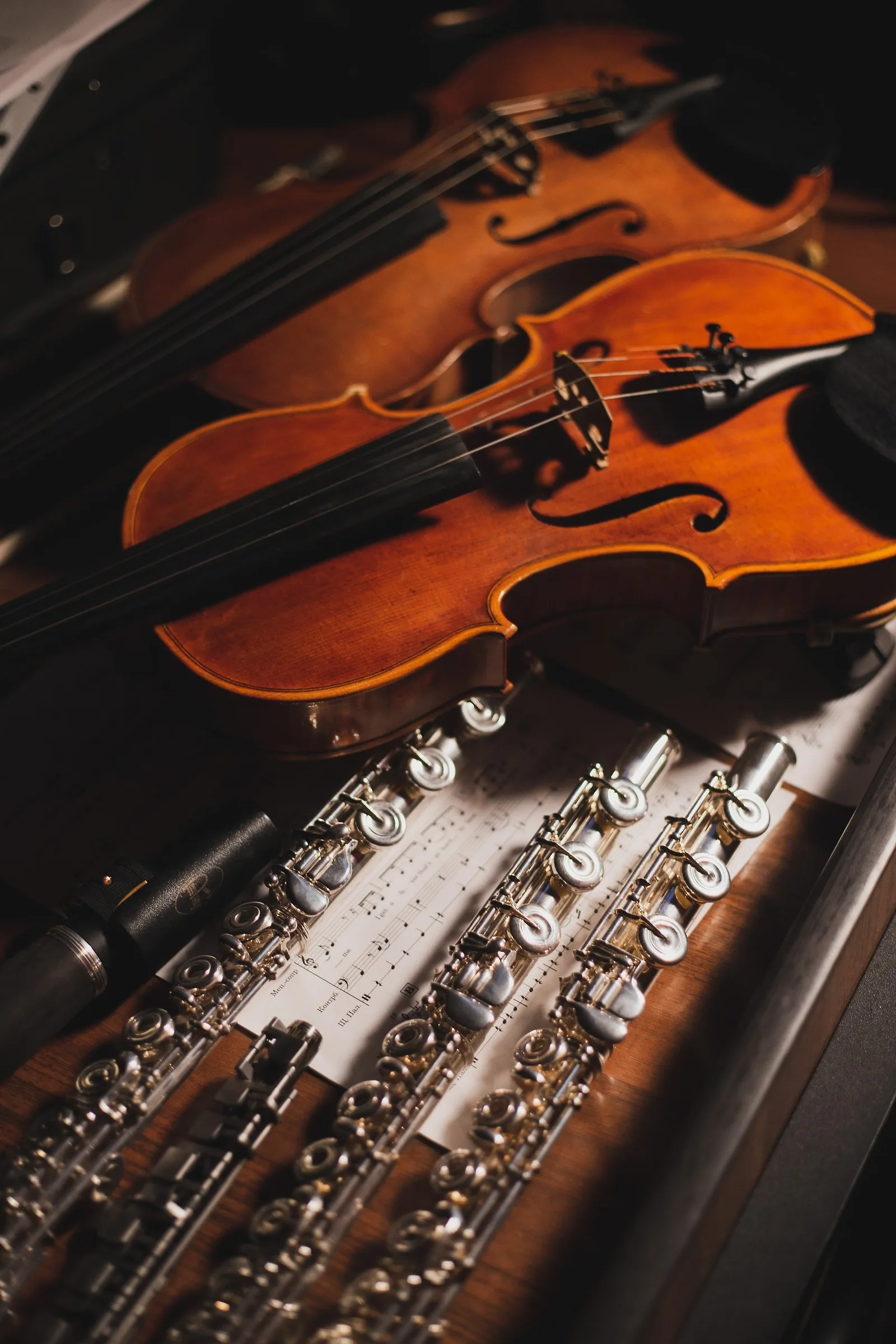
Details set the scene in a recap. A still life of two violins and silver flutes on a score, in warm, low light, tells you what kind of evening it was before you see the stage.
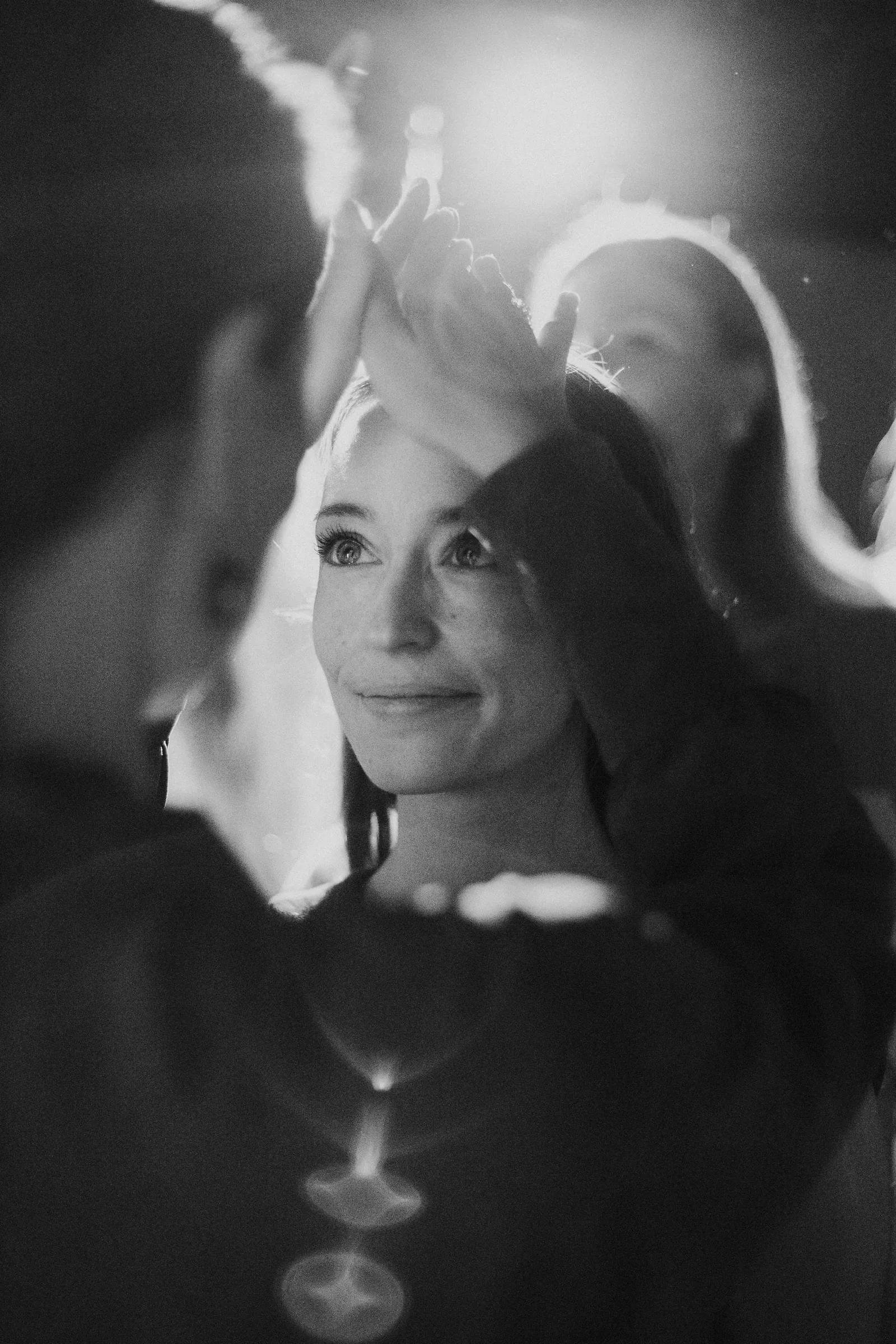
Reaction frames carry a recap too. Here it's one face in the crowd, looking up past clapping hands in hazy backlight. Put "audience" on the shot list, or it may not happen.
Festivals and outdoor events
- Crowds at scale, from a high point if there is one.
- Performances and stages.
- Vendors, food and activities.
- Families and small moments, with consent.
- Signage and sponsors.
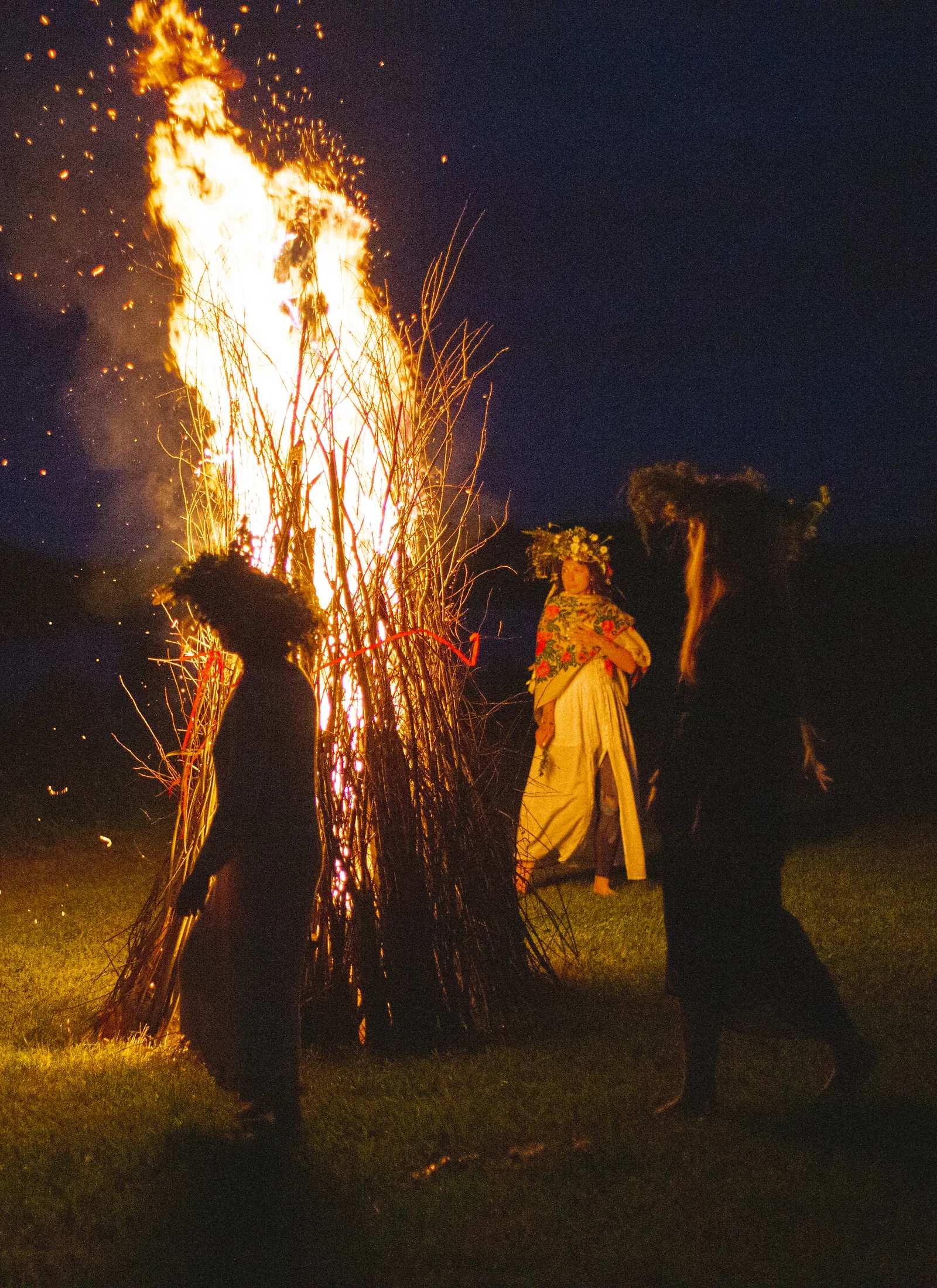
- The atmosphere after dark.

What it costs, briefly
Event coverage is usually priced by the hour, often with a minimum booking. A second photographer, same-day edits, travel and HST add to that, so ask what's included before you compare quotes. Our guide to what goes into the cost of a photoshoot explains how a quote is built.
On the day
- Give the photographer one contact who can make decisions.
- Share the room's rules: no-photo guests, quiet moments, where not to stand.
- Give guests who don't want to be photographed a coloured lanyard or sticker, and tell the photographer the colour.
- Feed the photographer, and plan a short break on long events; the last hours still need full attention.
- Hold the group photos to the schedule.
FAQ
How far in advance should I book an event photographer?
As soon as your date and venue are confirmed. Leave time for the paperwork too. Toronto venues ask for anywhere from a few days' to three weeks' notice for photo permits and insurance, such as 21 days for commercial shoots at the Toronto Public Library.
Who owns the photos from my event?
The photographer owns the copyright unless your agreement assigns it. Your agreement should list the uses you need, such as website, social, press, sponsors and ads, and be in writing.
How long does it take to get event photos back?
Published turnaround in Toronto ranges from 48 hours on booking platforms to one to three weeks from independent photographers. If you need a few images the same night, ask for same-day selects and agree on them, and their price, in advance.
Do event photographers need insurance in Toronto?
Often, yes. Venues can require a certificate of liability insurance naming them as additional insured. City of Toronto park photo permits and the Toronto Public Library ask for $2 million. Ask your venue early.
What should be on an event photography shot list?
The must-have moments and people: the venue and branding, each speaker or performer, big moments such as awards, group photos with names, audience reactions and details.
Planning a concert, a theatre night, a festival or a corporate event in Toronto? See our event photography page, or tell us about the event, including the date, the venue and what the photos are for.
Sources
Photos per hour and delivery times come from the published pages of Toronto photographers and a booking platform, reviewed on October 11, 2026. Copyright, insurance and permits: