Theatre Production Photos: Dress Rehearsal or Live?
Book theatre production photos at the final dress rehearsal or a photo call, and keep opening night for the audience, the lobby and the bows.
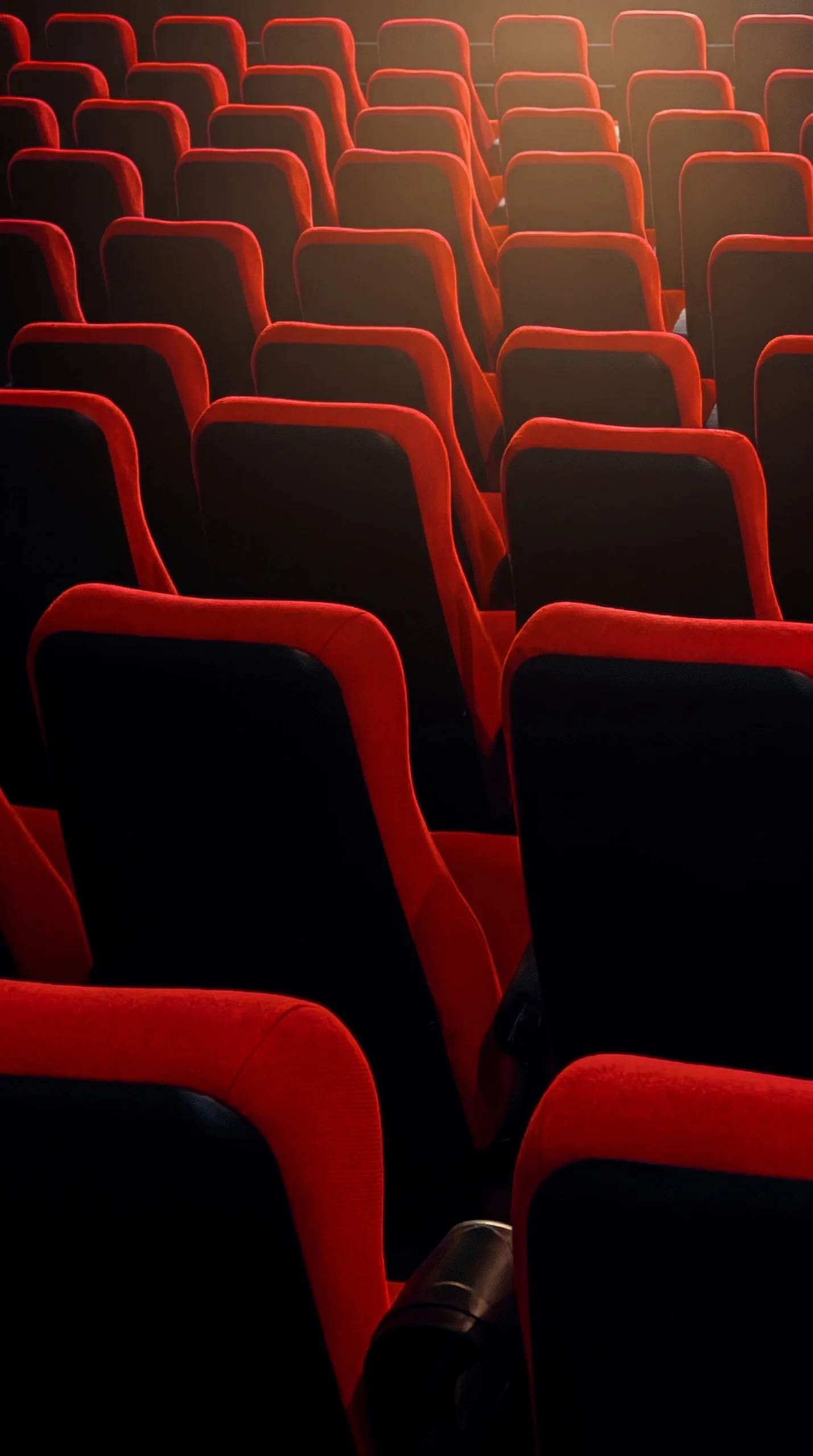
For production photos, book the last dress rehearsal or a dedicated photo call. A live performance confines the photographer to one spot and near silence, and you can't ask for a moment to be run again. Keep opening night for the crowd, the lobby and the curtain call, where a camera can work without disturbing anyone.
Why the live show is the harder one
During a performance the photographer has to stay in a seat or at the back, stay quiet and take only what happens as it happens. The most useful production photos are often close, from the side or the edge of the stage, and an audience would notice a photographer there.
At a final dress rehearsal the costumes, set, lights and cues are all in place, and the seats are empty. The photographer is free to walk the house, change angles between scenes and get close to the performers.
When a photo call is better
A photo call is a short session where the cast runs chosen moments under the full lighting, usually before or after the dress rehearsal. It suits productions with fast costume changes or intimate scenes, and any moment you plan to use on a poster, in the season brochure or with the press. You can ask for one more run of a moment, which you can't do in front of paying guests.
When a live night earns its place
If you want a real audience in the frame, with faces turned toward the stage, a live performance gives you that. A wide frame that takes in both the stage and the seats is the one that shows the size of the room and the feeling of the night. If you book a live night, agree the rules with the artistic team ahead of time: where the photographer may stand, how much shutter noise is acceptable, and no flash.
What stage light does to a camera
One spotlight against a dark stage is a hard job. Expose for the performer and the rest of the room falls into shadow, which is often the look you want, but the costume and the face still have to keep their colour. On stage work we reach for a wide with the stage and the crowd in it, each performer at a peak moment, the details of instruments and costume, and the audience reacting. Our guide to hiring an event photographer in Toronto covers the rest of the planning.
What to send before the shoot
- The script or cue list, with the five or six moments you'll use to sell the show marked.
- The cast list, with character names and the spelling of each person's name.
- Any surprise that shouldn't be seen before opening night.
- The stage manager's name and phone number.
- The rules on where the photographer may stand and how much noise is acceptable.
Pick your five lobby-wall images first
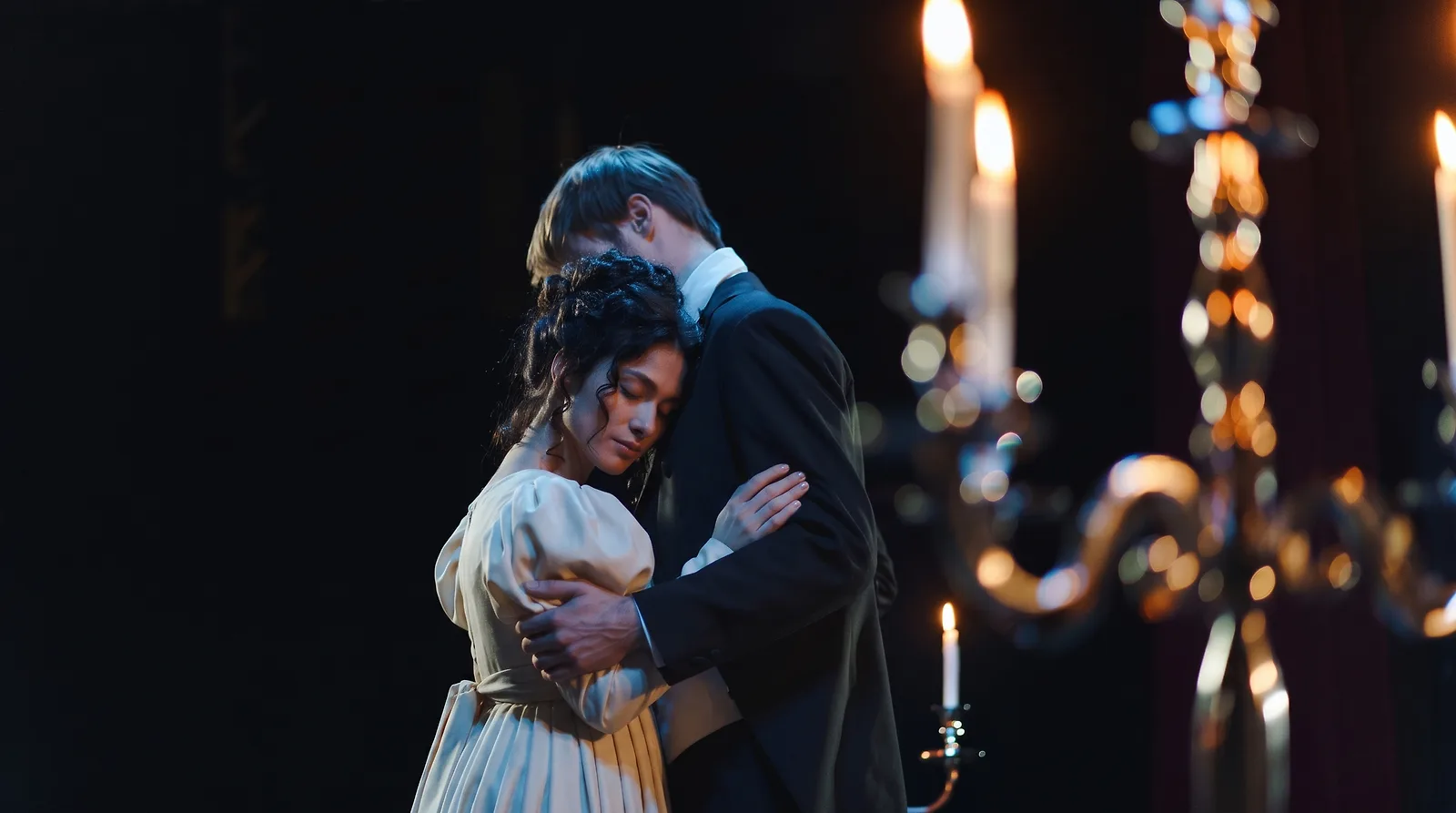
Choose the five images you'd put on the lobby wall and note which scene each one comes from. If three come from the same scene, the shot list is lopsided, and you should ask for more coverage elsewhere in the show. Check too that at least one frame shows the whole stage, for the program and the press.
We'd begin with the dates of the dress rehearsal and opening night, plus the five or six moments you want to sell. The page on theatre production photography shows our stage and theatre work, or send us the dates and we'll plan the shoot around those moments.